
The Febreze Problem: Making Your Clients Feel Your Invisible Value as a Travel Advisor
What's the only thing better than a fun fact? A fun fact about marketing. Hear me out…
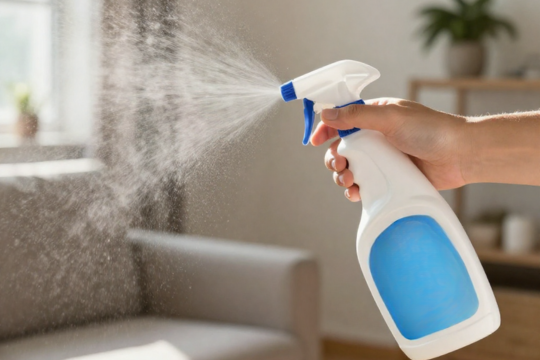
We're all familiar with Febreze — the magical spray that eliminates odors and instantly freshens your home. It's been around since the late nineties, expanded into dozens of products, and earned enough credibility that cat litters and fabric softeners proudly feature its logo as a signal of trust.
So, you can imagine my surprise when I learned that the initial launch was a total flop.
The problem wasn't that it didn't work. It worked exactly as promised, eliminating odors and leaving homes completely scent-free. The bad news for Febreeze is that our noses tend to adapt, meaning we often go nose-blind to the smells in our own homes. When people sprayed the original Febreze, it eliminated odors they weren't noticing in the first place, leaving them feeling like nothing had actually happened.
There's a significant gap between actual value and perceived value. Febreze recognized that and adapted, adding fresh scents to their formula so there was no question about whether it worked. Fast forward to now, and whether you've been scrubbing your house all day or just finally picked up those rogue socks off the floor, you get the same satisfying sense of accomplishment when you end your chore with a spritz and smell that artificially clean smell.
Once you start paying attention, you find intentional sensory cues everywhere. Seatbelts don't need to make that distinctive click, but the sound signals that you're safe. Shampoo doesn't need to lather, but we don't believe our hair is really clean without being covered in bubbles. Even smartphones use haptic feedback to replace the sensation of hitting physical buttons so the experience doesn't feel flat or disconnected.
These aren't deceptive practices — not when the product genuinely does what it claims. And they're not unnecessary, either. They give consumers a way to trust something that would otherwise have an invisible effect.
Travel advisors, I know you can relate.
The whole point of working with an advisor is a seamless experience. Ideally, the client side of the process is to tell you what trip they want, and then eventually, pack for said trip. But the lead time between booking and departure can be months (or even years), and even though you're quietly doing a lot of work in the background, there isn't always much reason for client communication during that stretch.
This is a question that often comes up in our network of advisors — how do you demonstrate your value without flooding their inbox with unnecessary check-ins or burdening them with behind-the-scenes details they don't need to know?
You send signals.
Set up a thoughtful email sequence so clients hear from you periodically throughout the waiting period, making sure each touchpoint has a purpose. Some will be practical (passport validity, visas, vaccines, etc.), but others are simply an opportunity to show your expertise and keep the excitement building.
A few ideas:
"A deeper look at [destination]"
Frame why this place is special right now, beyond just the itinerary.
"Meet your home away from home"
Introduce the property: its story, design philosophy, service style, and what makes it worth looking forward to.
"A few things we've already handled for you"
Give them a peek behind the curtain: preferences noted, early requests submitted, coordination already underway.
"A few experiences worth your time in [destination]"
Share 2–3 curated recommendations with just enough detail to spark interest, not overwhelm.
"Your reservations and access, all underway"
Reassure them that key bookings such as dining and experiences are secured.
"What most travelers miss in [destination]"
Offer an insider perspective that subtly elevates how they'll experience the destination.
Even if a client doesn't open a single one, you're still a consistent presence in their inbox throughout the wait. And when they do read them, you're reinforcing the same message every time: I'm an expert. I'm taking good care of you. I'm worth every penny.
That's your click sound. That's your lather. That’s your clean-smelling spritz.
