
And Honestly? Your AI Is Showing.
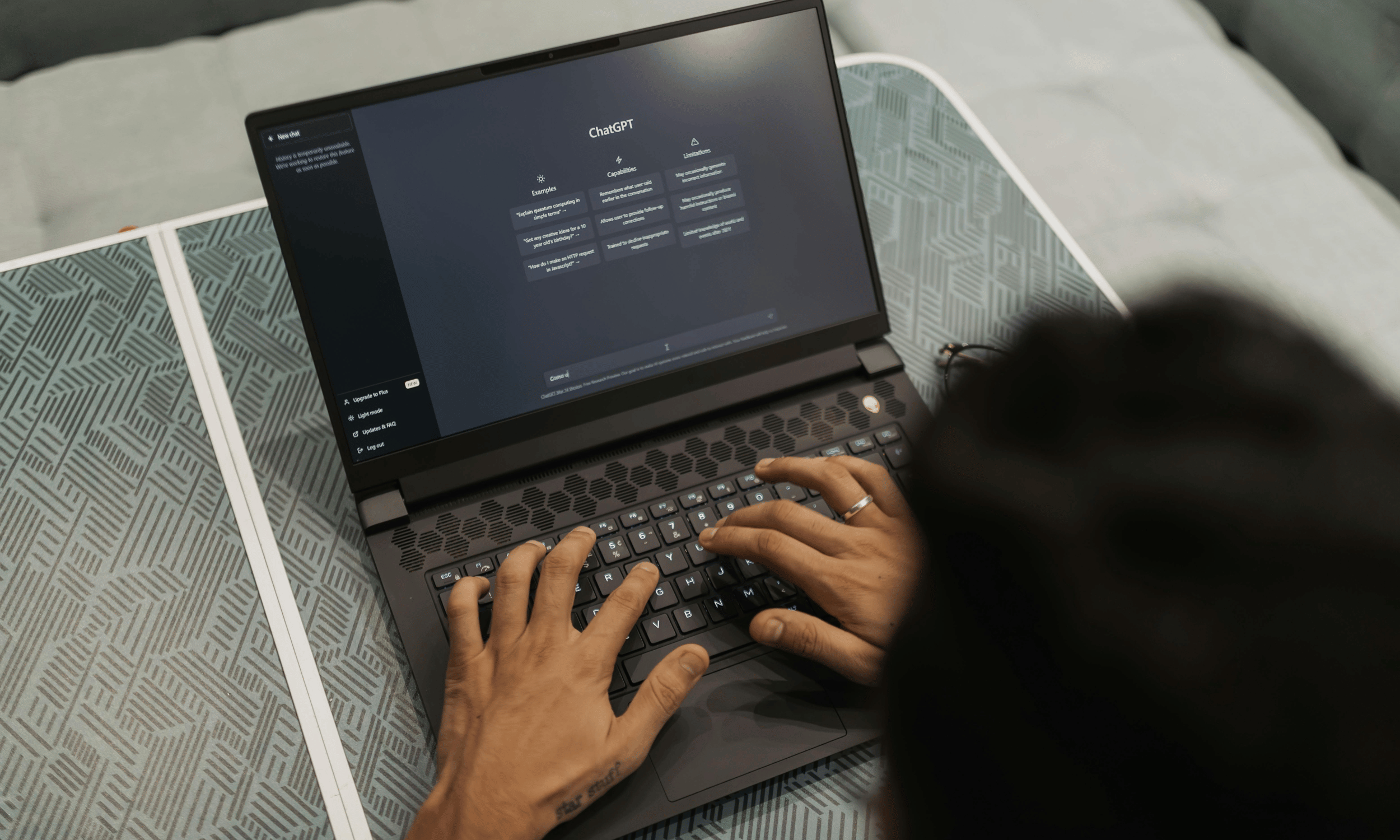
One of my weird ADHD superpowers is pattern recognition, where my brain clocks those subtle details that slip under other people’s radars. Because of that, my "this was written by AI" senses are heightened and I tend to notice the new tells early on.
With AI woven into almost everyone's workflow now, I’ve seen three groups emerge: people who want nothing to do with it, people using it well, and people who think they're using it well... but don't take the time to check that the output actually makes sense. If you are worried you may be falling into that last group, this one’s for you. I’m not here not to call anyone out, but more to share a pubic service announcement that these tells are more obvious than you might think.
As of right now, these are some of my biggest indicators:
The Emotional Shortcut
AI tries to sound human by removing certainty and performing vulnerability. This shows up in a few different ways, such as inflated adjectives or vague, poetic verbs. What stands out the most to me is when it uses the same handful of buzzwords to signal a feeling without earning it, and without it actually being that deep in the first place. Some of the common ones I see are words like "genuinely," "honestly," "quietly," etc.
For example, I might want to share that I ran out of dog food. But my AI counterpart would prefer if we said:
Last night I realized my dog's bowl was empty. And honestly? It's a humbling reminder that no matter how ambitious your goals are, real leadership starts with quietly taking care of the things that depend on you every single day.
Wait, what? The dog food is still not bought, and yet we've been on a whole journey.
Keep an eye out and you'll start seeing these mundane observations dressed up as profound truths everywhere you look.
The Em Dash Workaround
Yes, I know — we've all heard about em dashes. For the record, em dashes are legitimate, and plenty of writers use them correctly. But as we all know, the overreliance on them was one of the first big indicators of AI writing.
So now there’s a new problem: people caught on, told their AI to stop using them, and the AI complied. But instead of reworking the sentence to make sense without the use of these punctuation marks, it just started swapping them for colons, ellipses, or just splitting the sentence in two, creating writing that feels awkward and stilted.
Triplets, Triplets, Triplets
Once you notice this one, you won’t be able to unsee it. Everything is always in threes. Often it shows up in a normal sentence and doesn't really raise any red flags, but I keep seeing it show up as a list of three fragmented points that are intended to add more depth or drama.
Not one.
Not two.
Not four.
(See what I did there?)
There's not anything wrong with a triplet, it's a real rhetorical device used commonly in writing. But AI deploys it as a default, regardless of whether the content warrants it.
So How Can We Fix It?
I’ve got bad news, gang. Unfortunately, no amount of yelling at Claude or Chat GPT will force it to stop with these bad behaviors. These patterns exist because language models were trained on human writing, and humans do use all of these things. None of the things I've mentioned here can be used to automatically classify something as AI-written.
And yes, that includes em dashes.
The difference is that a human writer uses these things with context. They know when a short sentence earns its keep, when vulnerability is warranted, and when three really is the right number. AI doesn't have that judgment, so it reaches for the same moves every time, whether they fit or not.
For the record, I am not saying you shouldn't use AI in your writing. I use it daily in my role, and it really is incredible for helping me brainstorm, flesh out ideas, and communicate things that are hard to translate from my brain to the word doc. However, I always go back through and reread the work we’ve collaborated on to make sure it sounds like something that I would actually say.
I know that there are many, many more tells emerging all the time. Drop me a comment and let me know what your number one “This is AI” red flag is right now.